
What does a pool inspection include?
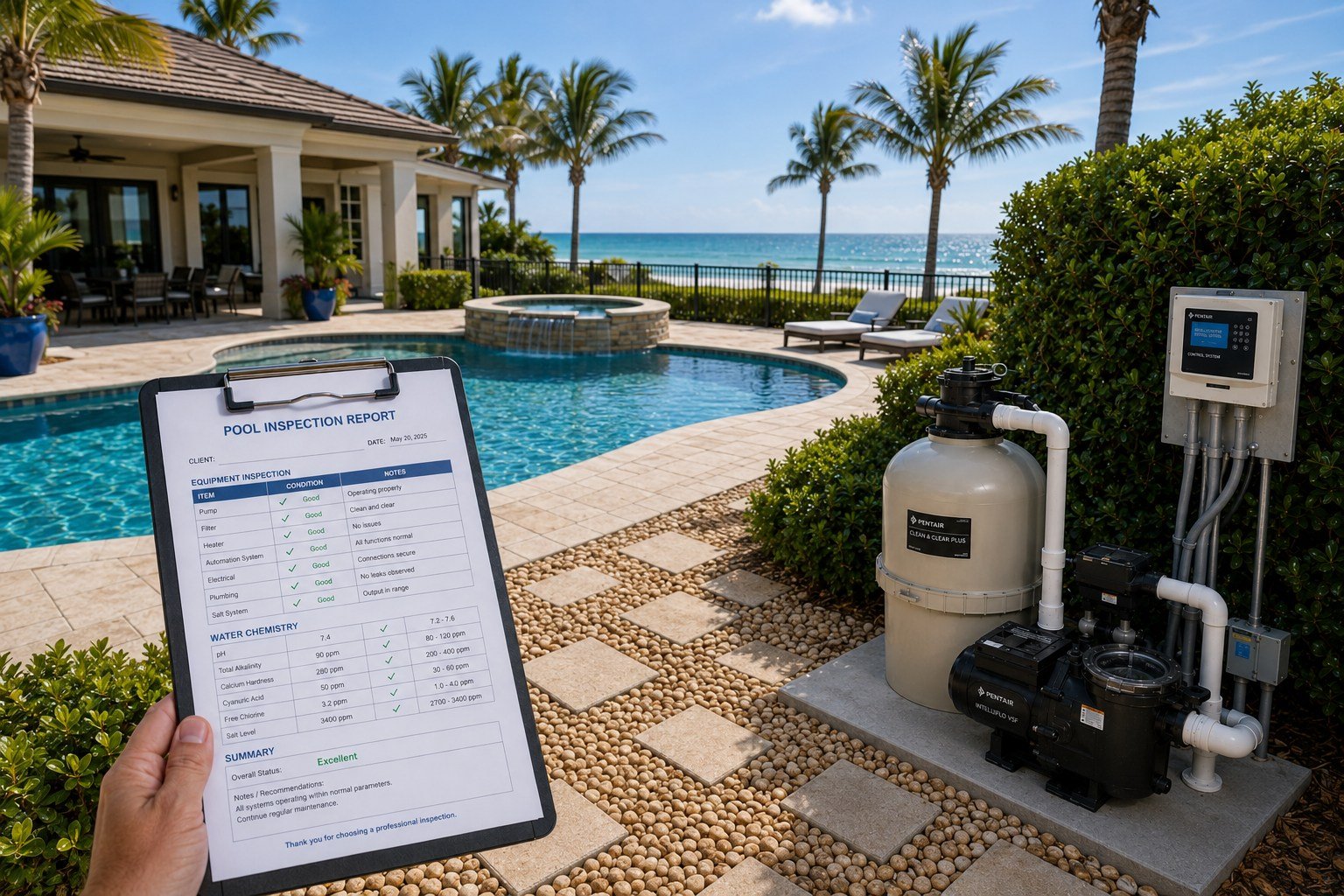
A swimming pool is one of the most valuable and enjoyable features of a home. Unfortunately, many equipment problems aren't immediately visible from the backyard. A pool may look crystal clear while hidden issues are developing behind the equipment pad.
That's where a professional pool equipment inspection can help.
Whether you're buying a home, preparing to sell, managing a vacation rental, or simply want a better understanding of your pool system, an inspection provides valuable information about the condition, performance, and remaining life of your equipment.
Why A Pool Equipment Inspection Matters
Many pool equipment problems develop gradually over time. Small leaks, worn motors, aging automation systems, failing salt cells, and inefficient equipment can often go unnoticed until they become expensive repairs.
A professional inspection helps identify potential concerns before they become larger problems and provides a clearer picture of the overall health of your pool equipment.
For homeowners, that means fewer surprises.
For buyers and sellers, it means making more informed decisions during a real estate transaction.
What Equipment Is Evaluated?
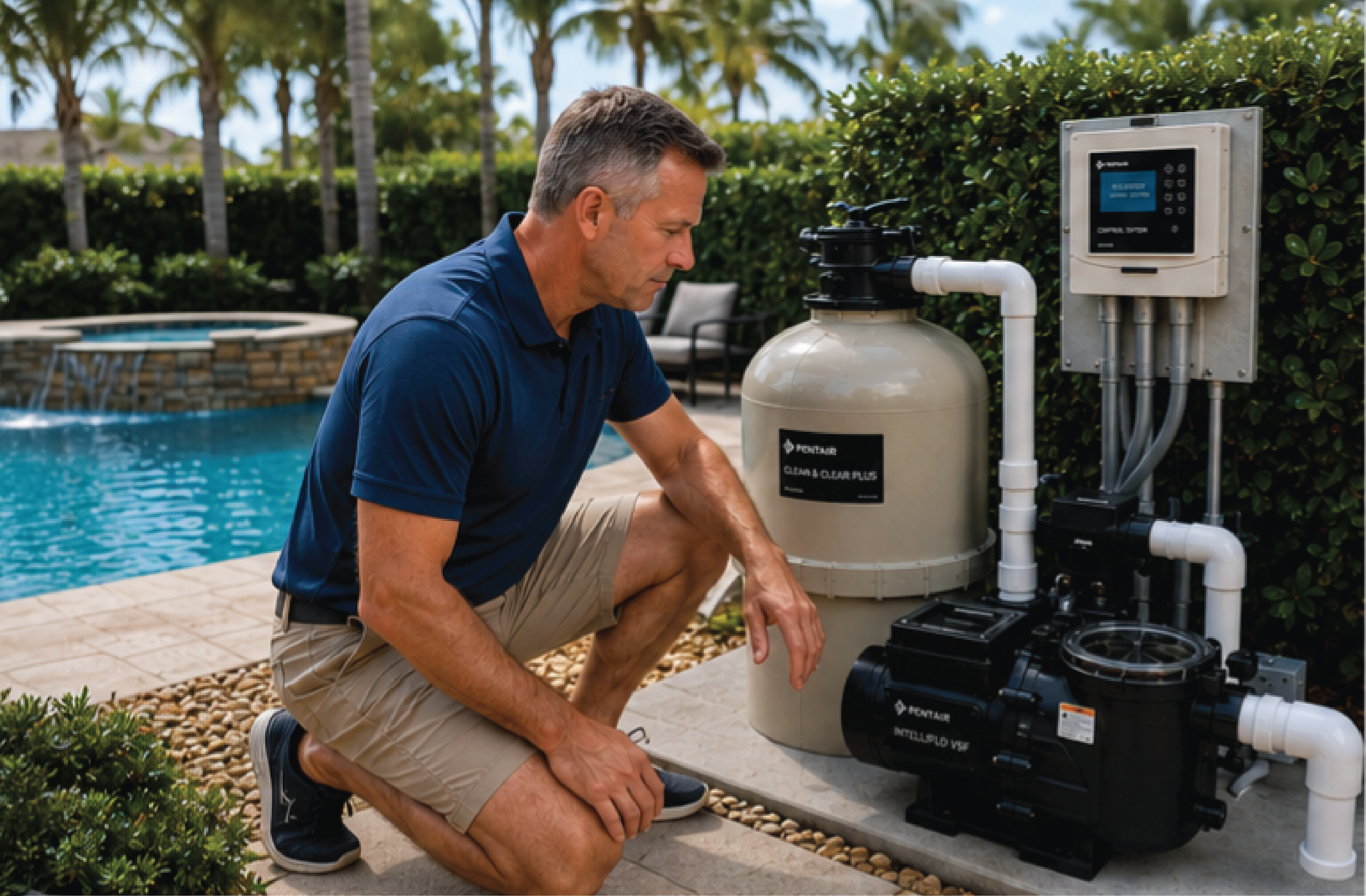
A pool equipment inspection focuses on the systems responsible for keeping your pool operating properly.
While every pool is different, inspections typically include an evaluation of:
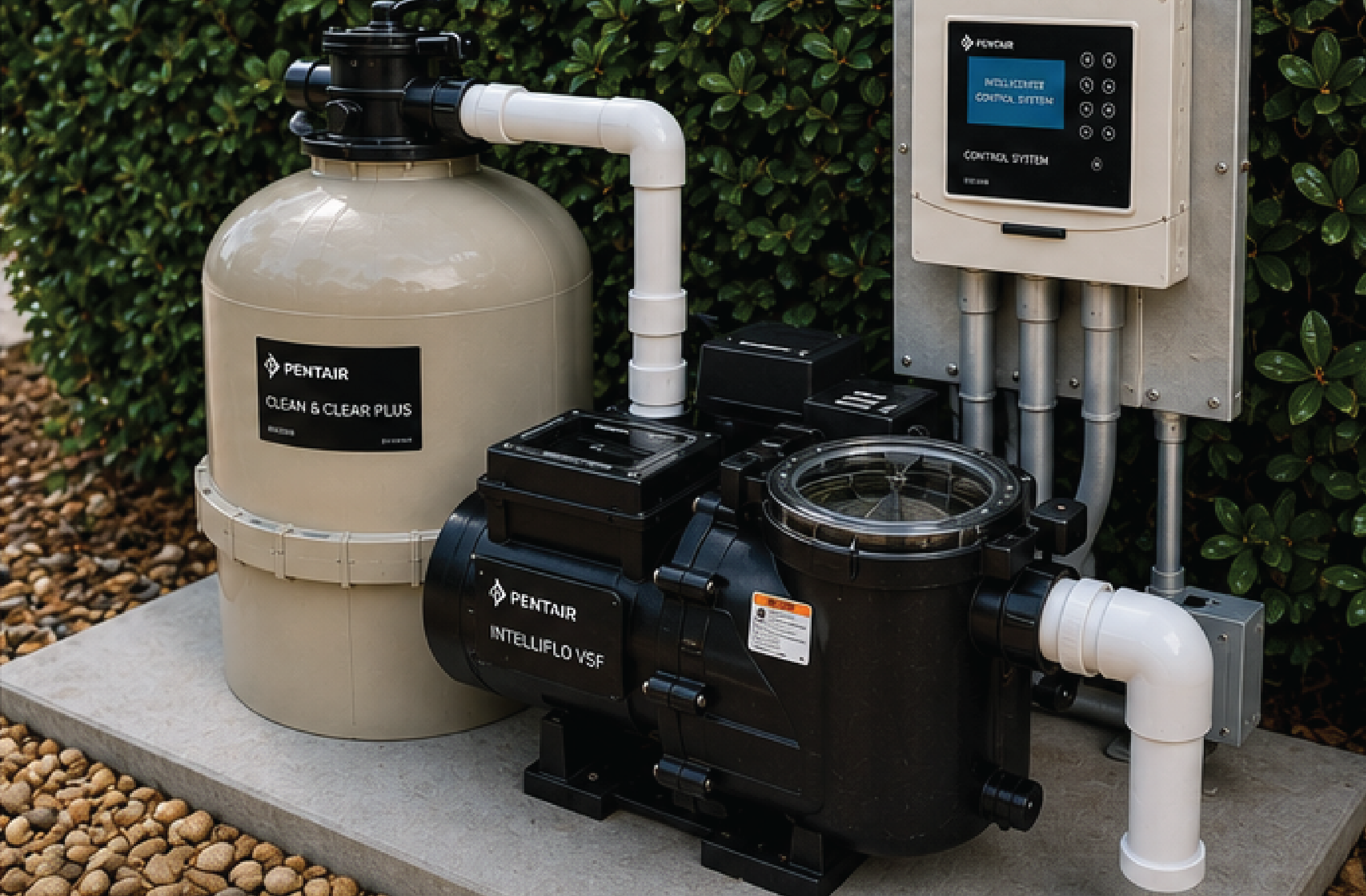
Pool pumps
Pump motors
Pool heaters
Heat pumps
Automation systems
Saltwater chlorination systems
Pool lighting systems
Timers and controls
Visible plumbing
Equipment pad condition
The goal is to determine whether the equipment appears to be operating properly, identify potential concerns, and document any issues that may require attention.
Pump And Motor Evaluation
The pump is often considered the heart of the pool system.
During an inspection, the pump and motor are evaluated for signs of:
Excessive noise
Vibration
Leaks
Corrosion
Wear
Operational concerns
Because pumps operate daily, they are often one of the first components to show signs of age.
Heater And Heating System Evaluation
Heating systems are among the most expensive pieces of equipment attached to a pool.
An inspection evaluates the condition of the heating system and identifies visible signs of wear, age, corrosion, or operational concerns.
Understanding the condition of a heater can be particularly important when purchasing a home or evaluating future replacement costs.
Saltwater System Evaluation
Saltwater systems simplify pool ownership, but like any equipment, they have components that wear over time.
An inspection may evaluate:
Salt cell condition
Control panel operation
Visible equipment issues
General system condition
This helps homeowners understand whether the system appears to be operating as intended and whether future replacement planning may be necessary.
Pool Automation Evaluation
Modern automation systems provide convenience and control, but they also contain electronic components that can fail over time.
An inspection evaluates the condition of automation panels, controls, and visible system components while identifying potential concerns that may affect performance.
Lighting And Electrical Components
Pool lighting contributes to both safety and enjoyment.
An inspection includes a visual review of lighting systems and related controls to identify visible issues or concerns.
Visible Plumbing And Equipment Pad Condition
The overall condition of the equipment pad can often reveal valuable information about a pool system.
Inspections include a review of:
Plumbing condition
Leaks
Equipment layout
Corrosion
General workmanship
A clean, organized equipment pad often makes future service and maintenance easier while improving long-term reliability.
What Happens After The Inspection?
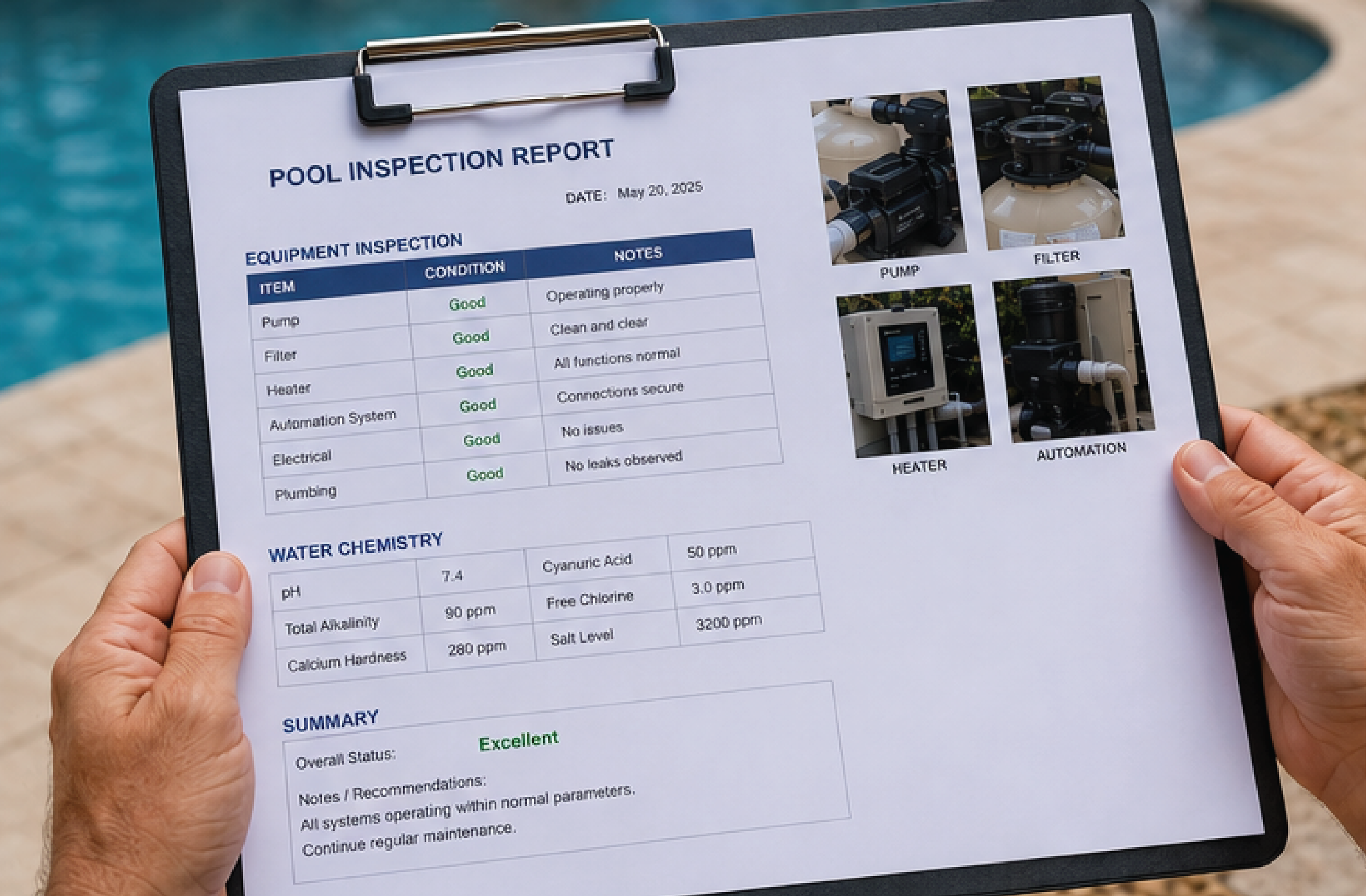
Upon completion, homeowners receive a detailed written report outlining observations, findings, and recommendations.
The report can help answer important questions such as:
Is the equipment operating properly?
Are there signs of aging equipment?
What repairs may be needed?
What upgrades should be considered?
Are there any concerns that should be addressed soon?
Having this information allows homeowners to make informed decisions rather than reacting to unexpected failures.
Who Should Consider A Pool Equipment Inspection?
Pool equipment inspections can be valuable for:
Homeowners
Home buyers
Home sellers
Realtors
Vacation rental owners
Property managers
Even if a pool appears to be operating normally, an inspection can provide peace of mind and help identify issues before they become costly surprises.

Understanding Inspection Costs
RL Pools & Outdoors offers pool equipment inspections starting at $229 for most residential pools.
More complex pool systems may require additional evaluation and may be priced accordingly.
Every inspection includes a detailed report designed to help homeowners better understand the condition of their equipment and make informed decisions moving forward.
Knowledge Is One Of The Best Investments You Can Make
Pool equipment doesn't last forever, but understanding its condition can help you plan ahead, avoid unexpected failures, and protect your investment.
Whether you're buying a home, selling a home, or simply want a better understanding of your pool equipment, a professional inspection can provide valuable insight and peace of mind.
Need A Pool Equipment Inspection?
RL Pools & Outdoors provides professional pool equipment inspections throughout Northeast Florida for homeowners, buyers, sellers, Realtors, and vacation rental owners.
Schedule an inspection today and gain a clearer understanding of the equipment that keeps your pool running.
